Kakweiken

Stewardship

Our Foundation

The Bears Come First

Conservation is not an add-on to the Kakweiken operation โ€” it is the foundation. Every protocol, every decision, every season is guided by a principle that has held for generations: the wellbeing of the land, the river, and the bears comes before any business interest.

The Kwikwasutinuxw Haxwa'mis people have stewarded this territory since time immemorial. The commercial recreation tenure formalizes what the Nation has always practiced โ€” careful, respectful, sustainable presence on the land.

"Our connection to our lands and resources defines who we are as people."

Protocols

How We Operate

๐Ÿป

Bear Viewing Protocols

All operators follow strict bear viewing guidelines designed to minimize disturbance and protect natural behavior.

  • Minimum distance maintained at all times
  • Small group sizes โ€” never more than 12 guests
  • Time limits at viewing sites to reduce habituation
  • Certified guides with wildlife behavior training
  • No approach during feeding, mating, or with cubs
๐ŸŸ

Salmon Ecosystem Protection

Bear viewing is managed around salmon spawning cycles, not the other way around. The salmon come first.

  • Seasonal access windows aligned with salmon run timing
  • Restricted zones during peak spawning periods
  • No interference with salmon migration corridors
  • Monitoring of salmon population health and return rates
๐ŸŒฒ

Habitat Impact Minimization

The Kakweiken River corridor is treated as a guest in someone else's home โ€” light footprint, leave no trace.

  • Designated trails and viewing platforms only
  • Strict waste management โ€” pack in, pack out
  • Noise protocols to minimize wildlife disturbance
  • No permanent structures in the river corridor
๐Ÿ“Š

Monitoring & Reporting

You can't steward what you don't measure. The partnership tracks ecosystem health across multiple indicators.

  • Bear activity and behavior monitoring each season
  • Visitor impact assessment and capacity management
  • Salmon return and population health tracking
  • Annual reporting to BC Recreation Sites & Trails

Indigenous Stewardship

The stewardship practiced on the Kakweiken River is not new. The Kwikwasutinuxw Haxwa'mis people have maintained their relationship with this land since time immemorial โ€” observing the bears, understanding the salmon, reading the river's moods across countless generations.

What the tenure formalizes in Western legal terms, the Nation has always known: that the health of the river depends on restraint, on attention, on putting the land's needs ahead of human wants.

The partnership's protocols are informed by this deep knowledge. Western conservation science and Indigenous stewardship are not in conflict here โ€” they are aligned toward the same goal.

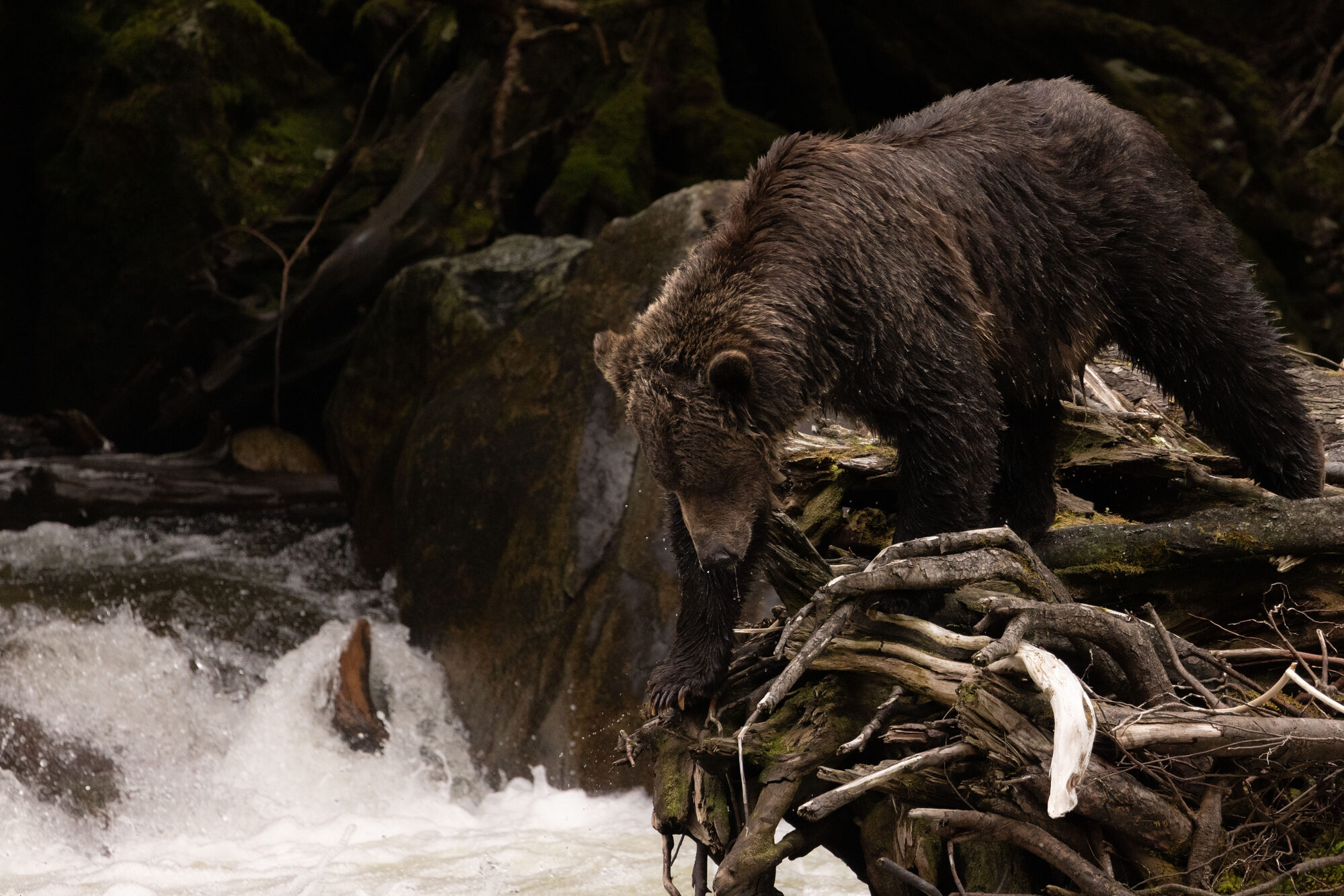
Bear at river's edge in forest
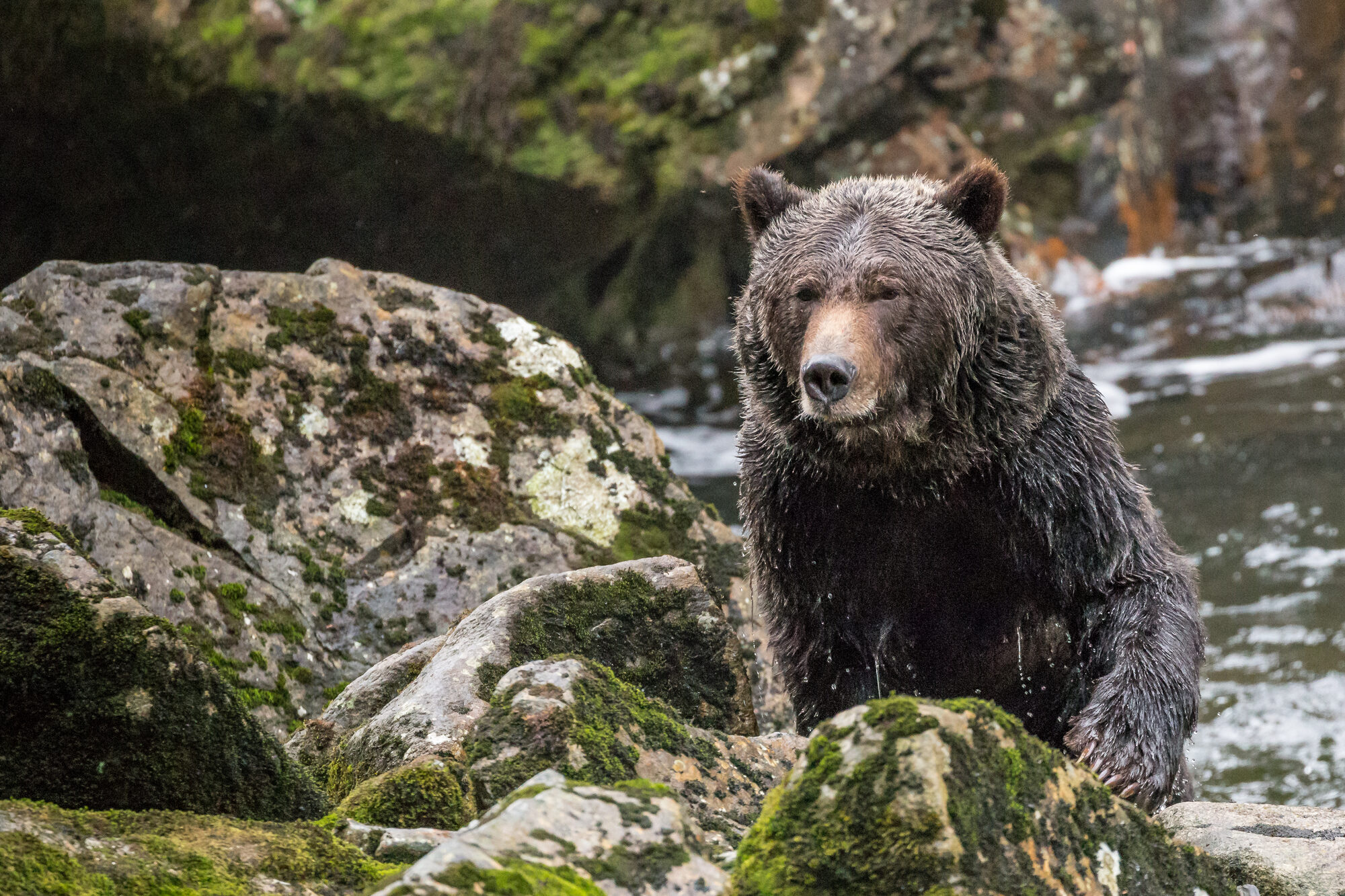
Bear on rocky riverbank

The Commercial Recreation Tenure

The Kakweiken partnership holds a commercial recreation tenure for bear viewing on the Kakweiken River in Thompson Sound. This is a provincially regulated permit that governs who can operate, how many guests can visit, and what protocols must be followed.

The Kakweiken River is a Class 2 restricted river โ€” one of only a handful in British Columbia with this designation. Sailcone Lodge holds one of only two permits for river access. The tenure ensures that access remains limited, regulated, and accountable.

This is not open-access tourism. This is managed, permitted, stewardship-first wildlife viewing.

Looking Forward

Building for the Future

The partnership is building toward greater Nation-led management over time. This is a long-term commitment, not a short-term business venture.

Nation-Led Management

Building capacity toward greater Kwikwasutinuxw Haxwa'mis-led management of the bear viewing operation and the broader stewardship framework.

Youth Training

Developing training programs for Nation youth in wildlife guiding, ecosystem monitoring, and tourism management โ€” the next generation of stewards.

Cultural Programming

Integrating cultural education into the visitor experience โ€” helping guests understand not just what they are seeing, but whose territory they are in.